
How can assisted living support mental well-being?
Assisted living can support mental well-being by combining daily structure, social connection, personal choice, and practical help in one setting. For many older adults, the benefit is not simply having assistance with meals, medications, or bathing. It is also having fewer daily worries and more opportunities to participate in meaningful activities.
Mental well-being includes more than the absence of depression or anxiety. It involves feeling safe, connected, capable, respected, and interested in daily life. Those needs can change after a move, a health event, the loss of a spouse, or a period of living alone. A supportive assisted living environment may help restore routines and confidence without taking away a resident’s independence.
Why does a predictable routine matter?
A consistent daily rhythm can reduce stress and make the day easier to navigate. Regular times for meals, activities, medication support, rest, and personal care may be especially helpful for residents experiencing memory changes, anxiety, or difficulty managing a household.
Predictability does not mean every day must be identical. A healthy routine leaves room for personal preferences, spontaneous visits, quiet time, and changes in energy. The goal is to reduce unnecessary decisions and uncertainty while preserving choice.
For example, a resident may benefit from knowing when meals are served, where to find a quiet sitting area, and which activities occur each week. Familiar patterns can provide reassurance during winter weather, holiday periods, or other times when outdoor activities and family visits may be less frequent in Lancaster.
Can assisted living reduce loneliness?
It can, particularly when residents have regular opportunities for low-pressure social contact. Loneliness is not always solved by being surrounded by people. Meaningful connection usually develops through repeated interactions, shared interests, and relationships that feel comfortable rather than forced.
Assisted living communities may provide several forms of connection:
- Informal conversations during meals or in shared areas
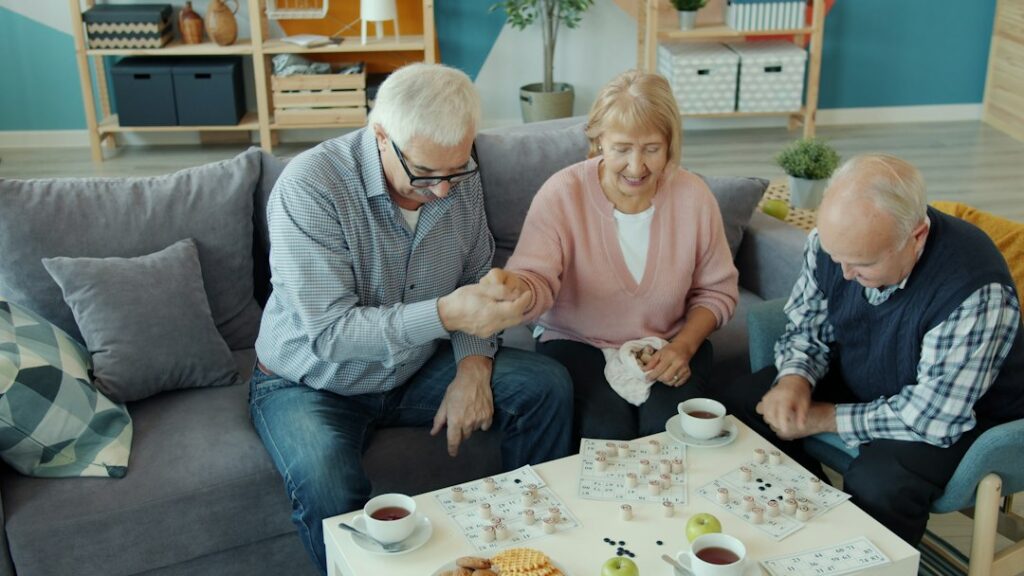
- Group activities such as music, crafts, games, or discussion programs
- Exercise and movement sessions
- Religious, cultural, or reflective gatherings
- Visits with family members and friends
- Opportunities to help with small community tasks
A resident does not need to attend every activity to benefit. Brief participation, sitting with others during a meal, or greeting familiar staff members can provide a sense of belonging. Residents who are naturally private may prefer one-to-one conversations or smaller groups.
How does independence affect emotional health?
Independence remains important even when a person needs daily assistance. Mental well-being can suffer if a resident feels that every decision has been made for them. Assisted living works best when support is adapted to the person rather than replacing personal choice unnecessarily.
Residents may continue to make decisions about:
- Clothing and personal appearance
- Daily schedules and sleep habits
- Activities and social participation
- Furnishings and room arrangements
- Meals and snacks, within dietary guidelines
- How much help is accepted with personal tasks
Family members can support emotional health by asking what the resident prefers instead of assuming that more assistance is always better. Staff members can also encourage residents to do the parts of a task they can safely manage. Preserving ability, even in small ways, may strengthen confidence and motivation.
What role do activities play in mental well-being?
Activities can support attention, memory, creativity, movement, and a sense of purpose. The most useful programs are not necessarily the most elaborate. A familiar song, a conversation about local history, tending to indoor plants, sorting photographs, or helping prepare a simple craft may be meaningful.
Activities should match a resident’s abilities and interests. A person who once enjoyed gardening may prefer arranging flowers or caring for container plants. Someone who dislikes group games may enjoy listening to music, reading, or working on a puzzle with another resident.
Participation should not be treated as a test. A resident may watch an activity without joining, leave early, or need adjustments because of hearing, vision, pain, or fatigue. Respectful flexibility helps prevent activities from becoming another source of pressure.
How can assisted living help residents cope with change?
Moving from a private home to assisted living can bring grief, even when the move is necessary or beneficial. A resident may be mourning a spouse, a familiar neighborhood, a former role in the household, or the ability to manage tasks independently.
Adjustment may take time. Signs of emotional strain can include:
- Persistent sadness or tearfulness
- Withdrawal from usual activities
- Irritability or unusual anger
- Changes in appetite or sleep
- Repeated statements about feeling useless or unwanted
- Fearfulness that interferes with daily participation
- Difficulty adapting after a major health change

These signs should not automatically be dismissed as normal aging or part of moving. Family members and caregivers should share noticeable changes with the appropriate medical or mental health professional, especially if symptoms are persistent, worsening, or connected with hopelessness or thoughts of self-harm.
Does assisted living replace mental health care?
No. Assisted living can provide a supportive environment, but it does not replace assessment or treatment for depression, anxiety, dementia, trauma, substance use, or other mental health conditions.
A resident may need additional evaluation when emotional changes are sudden, severe, or accompanied by confusion, medication changes, falls, pain, infection, or sleep disruption. Physical health problems can affect mood and behavior, and some medications may contribute to fatigue, agitation, or changes in thinking.
Support may include conversations with a primary care clinician, a licensed mental health provider, a neurologist, or another qualified professional. Any concerns involving immediate danger require urgent assistance through emergency services.
What can families do to support emotional adjustment?
Families can help by maintaining familiar connections while allowing the resident to develop a life in the new setting. Short, regular visits may be easier than occasional long visits. Phone calls, shared meals, photographs, letters, and familiar music can also reinforce continuity.
Helpful approaches include:
- Ask open questions about the resident’s day rather than asking only whether everything is fine.
- Listen for concerns about privacy, pain, sleep, food, noise, or relationships.
- Bring familiar belongings that make the living space feel personal.
- Avoid criticizing the resident for needing assistance.
- Share useful information about past interests, routines, and sources of comfort.
- Encourage participation without treating social activity as an obligation.
- Notice gradual changes in mood, appetite, communication, and engagement.
Family members should also remember that adjustment may be uneven. A resident can enjoy a new friendship and still miss home. Feeling grateful for assistance does not eliminate grief or frustration.
What should Lancaster families consider during the transition?
For households in Lancaster, seasonal conditions may affect visits, transportation, and outdoor activity. Cold weather, snow, heat, or heavy rain can limit time outside and increase the value of indoor social opportunities. Families may want to discuss how a resident will stay engaged during periods when travel is difficult.
The physical setting also matters. Good lighting, comfortable seating, clear paths, manageable noise levels, and access to outdoor or quiet areas can influence mood and confidence. Residents with hearing or vision changes may withdraw if conversations and activities are difficult to follow.
Mental well-being is strongest when emotional support is treated as part of everyday care. A predictable routine, meaningful choices, respectful relationships, and attention to changes in mood can help assisted living feel less like a loss of independence and more like a setting where support and personal identity can coexist.
