
What amenities matter most in assisted living?
The most useful amenities are those that make daily routines safer, more comfortable, and more manageable. Attractive common areas can be pleasant, but practical features—such as accessible bathrooms, reliable transportation, medication support, nutritious meals, and emergency preparedness—usually have a greater effect on quality of life.
Assisted living residences in Pennsylvania may provide different levels of personal care and support. Amenities can also vary by building, staffing model, resident needs, and contract terms. A feature should be evaluated by asking how often it is available, who can use it, whether there is an additional charge, and whether it will remain useful if care needs change.
Are the apartments and bathrooms designed for safe mobility?
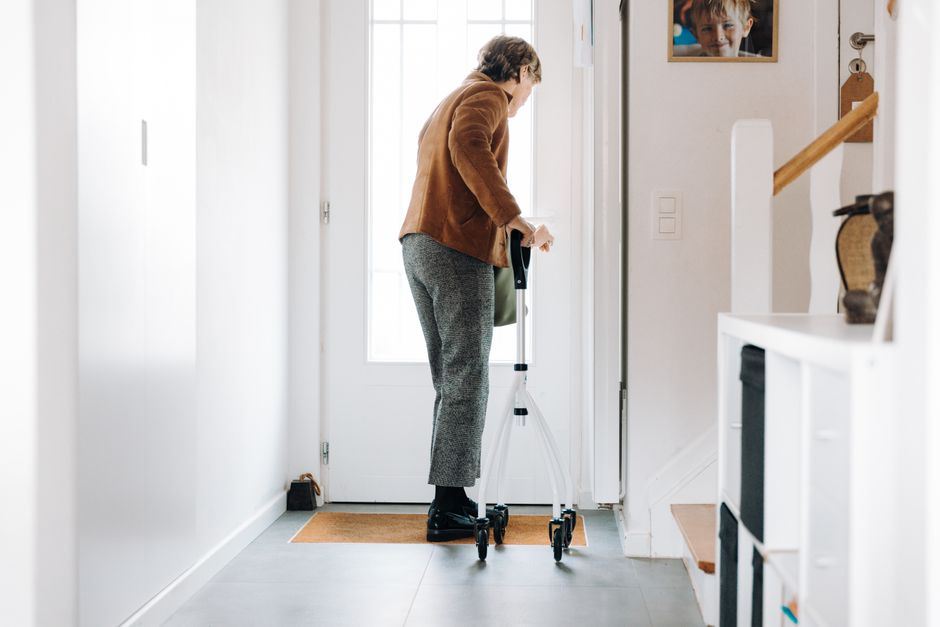
Accessible living spaces are among the most important amenities to examine. Look for wide, uncluttered pathways; adequate lighting; nonslip flooring; reachable switches and shelves; and enough room to use a walker or wheelchair.
Bathrooms deserve especially close attention. Helpful features may include:
- Grab bars that are securely installed
- Walk-in or low-threshold showers
- Shower seating
- Handheld shower controls
- Raised toilet options
- Emergency call systems
- Good lighting without harsh glare
Ask whether safety equipment is included in the base fee or added after move-in. It is also worth checking whether the apartment can accommodate changing needs, such as a hospital-style bed, mobility equipment, or additional in-room support.
During a visit, notice the distance between the apartment, dining room, activity areas, elevators, and outdoor spaces. A building may be accessible in theory but tiring to navigate in practice.
What dining amenities should residents expect?
Dining should support nutrition, independence, and enjoyment—not simply provide three meals a day. Ask to see a current menu and find out how the residence handles food preferences, allergies, diabetes-friendly meals, texture-modified foods, and religious or cultural dietary needs.
Useful dining amenities may include flexible meal times, snacks between meals, private dining for family visits, and assistance for residents who need help opening containers or eating safely. A pleasant dining room can encourage social connection, but it should not replace the availability of quiet seating for residents who become overwhelmed by noise.
In Lancaster, seasonal weather can affect appetite, hydration, and time spent outdoors. Ask how drinks and snacks are made available during hot, humid periods, winter storms, or building-related disruptions. Also ask whether meals are delivered to apartments when a resident is temporarily ill or unable to reach the dining room.
How important are medication and health-support amenities?
Medication management is not the same at every residence. Some settings may provide reminders, while others may assist with administration according to a resident’s assessment and care plan. Ask who handles ordering, storage, refills, missed doses, medication changes, and communication with medical offices.
Other useful health-related amenities may include:
- A private space for visiting nurses or therapists
- Assistance arranging medical appointments
- Secure storage for health records
- Basic wellness checks
- An emergency response system
- Space for physical therapy or exercise
- Support with hearing aids, glasses, or other personal devices
A residence should be able to explain what happens if a resident’s needs increase. Ask whether additional services are available in the same setting, whether fees change, and what circumstances could require a move to a different level of care.
Does the residence offer dependable transportation?
Transportation is often treated as an extra, but it can affect medical care, independence, and family responsibilities. Ask where vehicles can travel, how far in advance rides must be reserved, whether wheelchair-accessible transportation is available, and whether trips are limited to certain days.
Also clarify whether transportation is included, priced per trip, or billed through a monthly package. Some residences may provide scheduled group outings but have limited availability for individual appointments.
For local residents, transportation planning should account for winter weather, icy walkways, heavy rain, and shorter daylight hours. Ask how cancellations are handled and whether the residence helps arrange an alternative when a medical appointment cannot be postponed.
Are outdoor spaces comfortable and usable?
A secure, accessible outdoor area can support exercise, relaxation, gardening, and social interaction. Look for level walking paths, benches with backs and arms, shade, handrails, and doors that are easy to open. Residents with memory-related conditions may need a protected outdoor area that allows movement without unsafe wandering.
Outdoor amenities should be usable in different seasons. Lancaster experiences hot, humid summers as well as cold winter conditions, so ask about shade, hydration access, snow and ice removal, and whether residents can reach the outdoors without crossing exposed parking areas or uneven surfaces.
A balcony or patio may look appealing, but safety details matter. Ask about railing design, door thresholds, supervision expectations, and whether outdoor spaces remain available during maintenance or severe weather.
What social, activity, and wellness amenities are worth considering?
Activities are most valuable when they offer choice rather than requiring every resident to follow the same schedule. Look for a balance of physical activity, creative programs, music, games, educational events, spiritual opportunities, and quiet hobbies.
Ask how activities are adapted for different abilities. A good schedule may include seated exercise, smaller discussion groups, sensory activities, and programs for residents who prefer one-on-one interaction.
Useful spaces may include a library, craft room, fitness area, salon area, private visiting room, television lounge, or quiet room. The presence of a room matters less than whether it is actually used, comfortable, and supervised appropriately.
Families should ask to see the activity calendar and observe a program in progress. This can reveal whether residents participate voluntarily, whether staff know residents by name, and whether the environment feels welcoming rather than overly scheduled.
How should families evaluate laundry, housekeeping, and technology amenities?
Housekeeping and laundry services can reduce daily stress, but the details vary. Ask how often apartments are cleaned, whether linens are changed, how personal laundry is labeled, and what happens if clothing is damaged or misplaced.
Technology amenities may include Wi-Fi, cable access, charging outlets, emergency call devices, video-call support, and secure entry systems. Confirm what is included in the monthly fee and whether the internet connection works reliably in apartments and common areas.
For residents who use hearing devices or have limited vision, ask whether public-address announcements, doorbells, signs, and emergency alerts are accessible. Technology should make communication easier, not create another barrier.
What safety and emergency amenities should be confirmed?
Safety features should be discussed directly rather than assumed. Pennsylvania assisted living residences are licensed under state requirements covering areas such as fire safety, staff training, nutrition, health care, and resident well-being. Licensing does not mean every residence offers the same amenities or staffing experience, so families still need to ask specific questions.
Confirm the presence and operation of:
- Smoke and fire detection systems
- Emergency call devices
- Secure entrances where appropriate
- Clearly marked exits
- Backup plans for power outages
- Evacuation procedures
- Heating and cooling systems
- Procedures for severe storms and winter conditions
Ask how residents who use oxygen, walkers, wheelchairs, or memory-support services would be evacuated. Emergency planning should address transportation, medications, family communication, and temporary relocation—not just fire alarms.
Which amenities should be compared before choosing?
A useful comparison focuses on function, availability, and cost. Create a short list of must-have amenities, helpful extras, and features that are not necessary. Then compare residences at different times of day, including during a meal or an evening period.
Questions worth asking include:
- Is the amenity available every day or only at scheduled times?
- Is it included in the base fee?
- Are there limits, reservations, or additional charges?
- Who provides assistance, and what training do they have?
- Can the amenity support increased care needs?
- What happens during illness, bad weather, or a power outage?
The strongest choice is rarely the residence with the longest amenity list. It is the setting where essential services are dependable, the layout supports safe movement, staff respond respectfully, and the daily routine fits the resident’s preferences and abilities.
