

Personalized care plans help assisted living residents receive support that matches their health needs, daily routines, preferences, and goals. In Lancaster, PA, a well-developed plan can also account for seasonal weather, transportation concerns, family involvement, and changes in a person’s ability to manage everyday activities.
What is a personalized care plan?
A personalized care plan is a written, regularly updated description of the assistance a resident needs and how that assistance should be provided. It may cover health conditions, medications, mobility, bathing, dressing, meals, sleep habits, social interests, communication preferences, and emergency considerations.
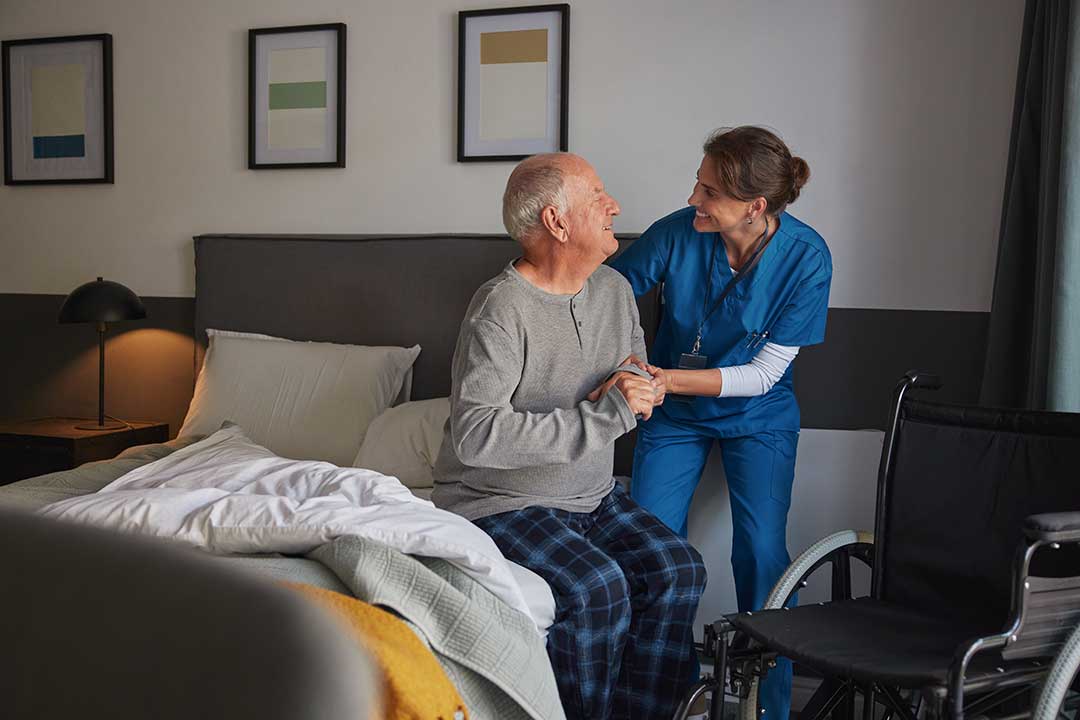
The plan should describe the individual rather than simply assigning a general level of care. Two residents with the same diagnosis may need very different support. One person may need reminders to take medication, while another may need help transferring safely from a bed to a wheelchair.
A useful plan usually identifies:
- What the resident can do independently
- What tasks require reminders, supervision, or hands-on help
- Preferred routines and personal habits
- Health conditions and warning signs
- Dietary needs, allergies, and food preferences
- Mobility or fall-risk concerns
- Communication needs, including hearing or vision limitations
- Family contacts and decision-making arrangements
- Personal goals, interests, and meaningful activities
Why do care plans matter in assisted living?
Care plans create a shared understanding among the resident, family members, and caregiving staff. Without a clear plan, support may become inconsistent. A resident might receive too much help with tasks they can still perform or too little assistance with activities that have become difficult.
Personalized planning also supports dignity. Many people entering assisted living want to remain involved in their own decisions. A plan can distinguish between assistance and unnecessary independence-limiting supervision.
For example, a resident may be able to choose clothing and dress independently but need extra time and a stable chair. Another resident may need help with buttons or compression garments but prefer to complete other parts of the routine alone. These details can reduce frustration and preserve a sense of control.
How is a care plan created?
A care plan generally begins with an assessment of the resident’s physical, cognitive, emotional, and social needs. Information may come from the resident, family members, physicians, nurses, medication records, and observations of daily activities.
The assessment should look beyond diagnoses. Practical questions include:
- Can the resident safely walk to meals?
- Does fatigue increase at a certain time of day?
- Are there signs of confusion in unfamiliar settings?
- Does the resident need glasses or hearing equipment to communicate effectively?
- Which activities bring enjoyment or reduce anxiety?
- What usually helps during pain, illness, or emotional distress?
The resident’s own preferences should be included whenever possible. Family members can provide helpful history, but the resident should not be treated as a passive participant unless cognitive or medical limitations make that necessary.
A plan is most useful when it explains how support should be delivered. “Needs assistance with bathing” is less informative than “Prefers bathing in the morning, needs a shower chair, and benefits from step-by-step reminders.”
How often should a personalized care plan be reviewed?
A care plan should be reviewed on a regular schedule and whenever the resident experiences a meaningful change. It should not remain unchanged simply because the original document is still on file.
A review may be needed after:
- A fall or near-fall
- A hospital visit or significant illness
- A new medication or treatment
- Weight loss, reduced appetite, or swallowing difficulty
- Increased confusion or changes in memory
- A change in walking, balance, or transfer ability
- New incontinence concerns
- Repeated refusal of meals, activities, or personal care
- A noticeable change in mood, sleep, or behavior
Small changes can signal a larger issue. For instance, a resident who stops attending meals may be experiencing pain, depression, fatigue, difficulty hearing conversation, or trouble navigating the dining area. Updating the plan can help identify the underlying concern instead of treating the behavior as simple noncompliance.
What role should families play?
Families can contribute information that may not be apparent during a short assessment. They may know the resident’s long-standing routines, preferred foods, past occupations, cultural practices, sources of anxiety, and strategies that have worked during stressful situations.
Family involvement can be especially useful when a resident has memory loss or difficulty describing symptoms. Helpful observations might include changes in nighttime behavior, medication reactions, eating patterns, or the ability to manage finances and personal belongings.
At the same time, family preferences should not automatically replace the resident’s choices. A care plan should balance safety with autonomy and reflect the resident’s current wishes whenever possible.
Families may also ask practical questions:
- What does “supervision” mean in this specific plan?
- Which tasks can the resident still perform independently?
- How are changes documented?
- Who is informed after a fall or medication concern?
- How are preferences communicated across different shifts?
- What happens if the resident refuses assistance?
Clear answers can prevent misunderstandings and make changes easier to recognize.
How can local conditions affect planning?
Care planning should reflect ordinary conditions in the surrounding community. Lancaster has cold winters, periods of snow and ice, and hot, humid summer weather. These conditions can affect outdoor activities, clothing choices, hydration, fall risk, and transportation to appointments.
A resident who enjoys walking may need an indoor alternative during icy weather. Someone who is prone to dehydration may require extra attention during hot periods. Winter planning may include appropriate footwear, safe paths, and additional time for transitions.
Housing patterns and family routines can matter as well. Some residents may have relatives nearby who visit frequently, while others rely on scheduled calls or less frequent visits. A plan should record the communication pattern that is realistic and meaningful for that resident rather than assuming every family has the same availability.
What are common misconceptions about care plans?
One misconception is that a care plan is only for people with severe medical needs. In practice, it can be useful for anyone who benefits from consistent reminders, mobility support, dietary attention, or help adjusting to a new routine.
Another misconception is that a plan limits independence. A properly written plan should do the opposite by identifying what the resident can safely continue doing and what support allows that independence to continue.
A third misconception is that a care plan is permanent. Needs can change gradually, and a plan that was appropriate several months ago may no longer be accurate. Regular observation and honest communication are necessary.
What should residents look for in a useful care plan?
A strong plan is specific, understandable, and practical. It should describe the resident’s abilities as well as limitations, explain preferences, identify safety concerns, and state what should happen if needs change.
Residents and families should look for evidence that the plan:
- Uses the resident’s preferred name and communication style
- Includes personal routines and meaningful interests
- Separates reminders, supervision, and hands-on assistance
- Addresses medications, meals, mobility, and emergencies
- Identifies changes that should be reported
- Is shared with the people responsible for daily support
- Is reviewed after significant changes
Personalized care planning is not a single form completed at move-in. It is an ongoing process of observing, communicating, and adjusting support so that assisted living remains safe, respectful, and responsive to the individual.
