

How Does Assisted Living Encourage Social Interaction?
Assisted living communities in Lancaster, PA are designed to make social connection easier than many realize. These settings naturally bring people together, providing structured opportunities for interaction and reducing the obstacles that can make socializing challenging for older adults living alone. By creating shared spaces and organized routines, assisted living fosters regular, meaningful contact with peers.
Residents often meet during meals, planned activities, and informal gatherings in common areas. This daily structure supports even those who might feel shy or uncertain about reaching out. For many in the community, simply having neighbors with shared life experiences nearby leads to new friendships and a sense of belonging.
What Kinds of Social Activities Are Regularly Offered?
Communities in Lancaster typically organize a variety of group activities, providing something for nearly every interest and ability level. These can include:
- Group exercise classes tailored for older adults
- Arts and crafts workshops
- Local music or entertainment performances
- Book clubs and discussion groups
- Card games or mind-challenging puzzles
- Movie nights and shared TV viewing
- Guided nature walks during the milder seasons
Changing Pennsylvania weather is accounted for—indoor spaces are ready for winter months, and shaded outdoor areas are available when spring and summer allow. Activities are usually scheduled with input from residents, which helps ensure they reflect the actual interests and traditions of the local community, rather than a generic program.
Are Daily Social Connections Really That Important for Seniors?
Direct contact with others does much more than provide company. Research shows that maintaining an active social life helps reduce feelings of loneliness, which is linked to better mental and physical wellness. In assisted living, regular interaction is part of daily life, reducing isolation and providing steady opportunities to form meaningful relationships.
It’s a common misconception that larger communities are always impersonal or that individuals might get “lost in the crowd.” In practice, staff in Lancaster’s assisted living settings are often intentional about making introductions and facilitating small-group gatherings, which can help new residents find their niche no matter the community’s size.
How Do Assisted Living Communities Overcome Common Barriers to Social Life?
For those who previously lived on their own in Lancaster, logistical or physical barriers—like unreliable transportation, winter driving conditions, or mobility challenges—can sometimes make getting out to see friends difficult. Assisted living removes many of these hurdles:
- Meals, activities, and social events happen in the same building, so residents don’t need to navigate public transportation or icy sidewalks.
- Accessibility features, including elevators, ramps, and accessible restrooms, support participation for those with mobility limitations.
- Staff are available to offer practical support if a resident feels anxious about joining a new group or needs a bit of encouragement to connect.
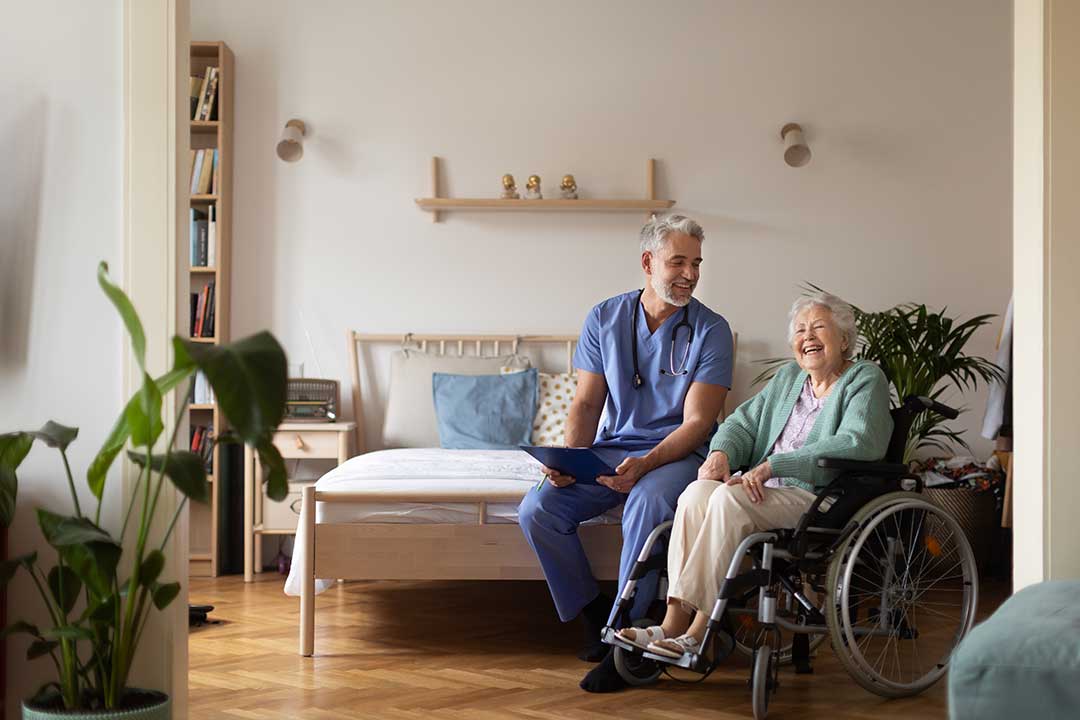
With these supports, even those who were less socially active before moving often find it easier to stay engaged.
Can Family and Community Connections Be Maintained?
Assisted living does not mean being separated from friends, family, or local connections. In many Lancaster area communities, flexible visitation policies and community events welcome family members and outside guests. Residents frequently invite loved ones to join activities, share meals, or attend special seasonal events. Technology is often available for video calls or sharing photos and messages when in-person visits aren’t possible, especially during periods of inclement weather.
Some assisted living communities also partner with local clubs, churches, or hobby groups, bringing outside community members in for programs or volunteering opportunities. This helps keep residents connected to the broader rhythms of the area, while still benefiting from daily on-site social life.
What Social Support Is Available for Introverts or Those with Memory Loss?
Not everyone is comfortable with large groups or outgoing social activity. Those who prefer one-on-one connection, or who have memory support needs, are not left out. Small group gatherings, quiet lounges, reading rooms, and hobby corners allow for lower-key social time.
For residents living with dementia or memory challenges, staff are trained to support positive interactions—using structured activities and familiar routines to gently encourage participation without overwhelming anyone. Thoughtful planning ensures these residents are engaged at a level that supports their comfort, dignity, and sense of inclusion within the community.
What If a Resident Wants Private Time?
A balanced social life also means having the freedom to retreat and enjoy quiet moments alone. Private apartments or suites, along with policies that respect personal space, allow residents to step back whenever they choose. Social activities are typically optional, never mandatory, so individuals can pick when and how they participate. This flexibility is key to supporting both social health and individual well-being.
