

Assisted living communities use a combination of building design, staff procedures, emergency planning, and personal support to reduce everyday risks. The goal is not to remove independence, but to make routine activities—walking, bathing, taking medication, dining, and responding to emergencies—safer and more manageable.
For residents and families in Lancaster, PA, safety may also involve seasonal concerns such as icy walkways, summer heat, power interruptions, and transportation during changing weather. A well-designed community should address both common household hazards and the specific needs of older adults.
What safety features should assisted living communities have?
The most useful safety features are those that prevent falls, support quick assistance, reduce confusion, and help staff respond to emergencies. These features should be easy for residents to use and regularly checked rather than installed and forgotten.
Common examples include:
- Handrails and sturdy grab bars in hallways, bathrooms, and bathing areas
- Non-slip flooring and clear walking paths
- Adequate lighting, including night lighting
- Emergency call systems in apartments and bathrooms
- Fire alarms, sprinkler systems, and evacuation plans
- Controlled exterior doors and visitor procedures
- Medication storage and administration safeguards
- Staff coverage appropriate to residents’ needs
- Accessible transportation and safe loading areas
- Backup plans for severe weather, power loss, and other disruptions
Safety is strongest when physical features and human support work together. A call button is helpful, but residents also need staff who respond promptly and know how to assess the situation.
How do communities help prevent falls?
Fall prevention usually begins with the layout of the building. Hallways should be free of loose rugs, furniture, cords, and other obstacles. Flooring should provide traction without creating abrupt changes in height. Stairs need secure handrails, contrasting step edges, and good lighting.
Bathrooms deserve particular attention because wet surfaces, transfers, and tight spaces can increase risk. Helpful features may include:
- Grab bars near toilets and bathing areas
- Walk-in or low-threshold showers
- Shower seats and handheld showerheads
- Raised toilet seats when clinically appropriate
- Emergency call devices within reach from the floor
- Even lighting without strong glare
Staff may also help residents identify changes that increase fall risk, such as dizziness, weakness, poorly fitting footwear, or difficulty seeing at night. A fall-prevention plan should be individualized. A resident who walks independently may need different support from someone who uses a walker or wheelchair.
A common misconception is that a community is safe simply because it has no stairs. Falls can occur on level surfaces, especially during transfers, nighttime bathroom trips, or hurried movement.
What emergency response features are available?
Residents should be able to summon assistance from their apartment and from areas where a fall or medical problem might occur. Emergency call systems may use wall-mounted buttons, pull cords, wearable devices, or other communication tools.
Families should ask practical questions about these systems:
- Can the device be reached from the floor?
- Is it available in the bathroom and shower area?
- Who receives the alert?
- Is assistance available at all hours?
- How quickly are calls typically answered?
- What happens if the device is pressed accidentally?
- Is there a backup if the system loses power?
Emergency response also depends on staff training. Team members should know how to respond to falls, chest pain, breathing difficulties, missing-person concerns, severe weather, and other urgent events. Communities should conduct drills and update emergency plans as residents’ needs change.
How are fire and evacuation risks addressed?
Assisted living communities generally use layered fire protection. Smoke alarms, fire sprinklers, illuminated exit signs, fire doors, and emergency lighting are important parts of the building system. Evacuation plans should account for residents who cannot walk independently, use mobility equipment, have hearing or vision limitations, or become confused during an emergency.
Residents and families can ask:
- Are evacuation routes clearly marked?
- Are drills conducted regularly?
- How are residents who need physical assistance moved?
- Are elevators restricted during a fire?
- Where do residents go during an evacuation?
- How are medications, records, and essential mobility devices handled?
Fire safety also includes everyday habits. Cooking equipment, space heaters, oxygen use, smoking policies, candles, and overloaded outlets may require specific rules. These policies can feel restrictive, but they are designed to reduce hazards that may affect an entire building.
What security features protect residents without creating isolation?
Security measures should protect residents while preserving dignity and freedom. Exterior doors may have controlled access, and visitors may be asked to sign in or use a call system. Some communities use cameras in public areas, although cameras should not replace staff presence or personal privacy.
Memory-related conditions may create additional safety concerns, such as wandering or difficulty recognizing unsafe surroundings. Communities that serve residents with cognitive impairment may use secured areas, alert systems, enclosed outdoor spaces, and individualized monitoring plans.
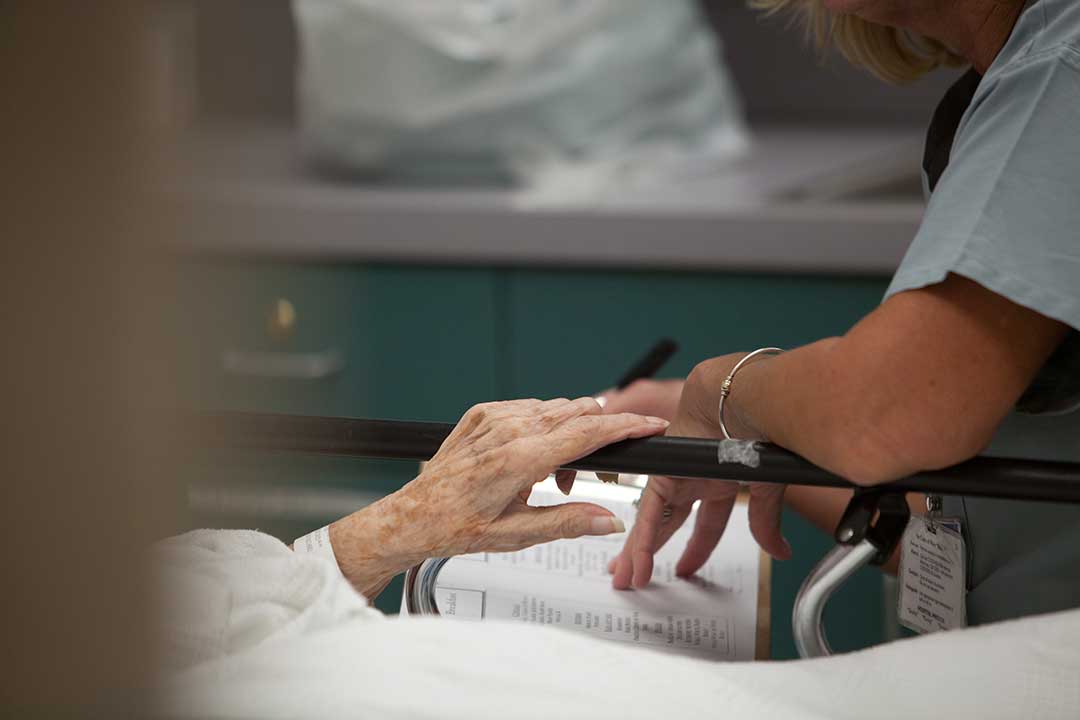
Security should not mean that every resident is treated as incapable. A thoughtful approach distinguishes between residents who need protection from specific hazards and those who can make their own daily decisions.
How do communities make medication use safer?
Medication safety involves more than locked storage. Staff procedures may include verifying the resident, medication, dose, timing, and instructions before administration. Records should show whether a medication was given, refused, delayed, or held because of a specific concern.
Residents and families should understand:
- Which medications staff administer
- Which medications residents may self-manage
- How prescription changes are recorded
- How missed or refused doses are handled
- How side effects and adverse reactions are reported
- Who communicates with the prescribing clinician or pharmacy
Medication reviews can also identify drugs that cause dizziness, drowsiness, low blood pressure, or confusion—side effects that may increase fall risk. Residents should not stop or change prescribed medications without appropriate medical guidance.
How are weather and power interruptions handled?
Seasonal conditions can affect safety beyond the building itself. In Lancaster, winter weather may create icy sidewalks, difficult transportation, and reduced outdoor mobility. Summer heat can increase dehydration and heat-related illness, particularly for residents with chronic conditions or limited ability to regulate body temperature.
A community’s emergency plan should address:
- Backup power for essential systems
- Heating and cooling during outages
- Food, water, and medication continuity
- Snow and ice removal
- Safe transportation during hazardous conditions
- Communication with families during prolonged disruptions
The plan should also explain how residents receive updates if normal phone, internet, or transportation services are interrupted.
What should families look for during a safety visit?
A visit can reveal details that a brochure or floor plan will not. Observe whether hallways are clear, floors are dry, lighting is adequate, and staff respond respectfully to residents’ requests. Notice whether emergency equipment is visible, maintained, and positioned where a resident could reach it.
Useful questions include:
- How are individual fall risks assessed?
- How often are care and emergency plans updated?
- What happens after a fall or near-fall?
- How does staff communicate a change in condition?
- How are bathrooms adapted for residents with changing abilities?
- What support is available during nighttime hours?
- How are residents protected during severe weather or utility outages?
Safety features should support ordinary life rather than make the environment feel institutional. The most dependable communities combine accessible design, trained staff, clear procedures, regular maintenance, and individualized attention. For local households evaluating assisted living, those practical details often provide a more accurate picture of safety than appearance alone.
