

What Activities Are Typically Offered in Assisted Living Communities?
Most assisted living communities provide a mix of physical, cognitive, social, and creative activities each week. These are designed to keep residents engaged, support their abilities, and address common interests across varying mobility and health levels.
Common activity options include:
- Daily exercise classes such as chair yoga, stretching, tai chi, or walking groups
- Scheduled games like bingo, cards, dominoes, and trivia sessions
- Arts and crafts workshops, often seasonal or themed
- Music programs, from sing-alongs to visiting musicians
- Movie nights or small-group film viewings
- Gardening—both indoor potted plant care and outdoor raised beds
- Religious gatherings, readings, or spiritual groups for residents who wish to participate
Lancaster’s residential character typically provides outdoor spaces for walking or gardening, and area traditions sometimes inspire specific seasonal crafts or music choices.
How Do Communities Adapt Activities for Different Abilities?
Programs are commonly modified so that residents with different physical or cognitive needs can participate. Adaptive equipment or aides—such as large-print cards, booster cushions, or hand-over-hand crafting—help include those with limited mobility or memory challenges.
Staff are generally trained to:
- Offer both seated and standing options during fitness routines
- Use smaller group sizes for residents with memory loss, minimizing distractions
- Simplify games or provide reminders to encourage participation, rather than competition
- Allow residents to join or leave activities as they feel able
Flexible approaches help ensure that no one feels left out, especially as individual needs shift over time.
How Are Activities Chosen and Scheduled?
Residents’ interests play a major role in designing calendars. Most communities survey preferences during move-in and follow up regularly. Schedules are then adjusted to reflect seasonal changes, new hobbies, and requested additions.
Selections often factor in:
- Resident suggestions from meetings or feedback surveys
- Popular local pastimes, such as nature walks or holiday decorating crafts
- Consideration of weather, especially in the region’s varied seasons—outdoor events may increase during mild springs and falls
- Partnerships with local volunteers for enrichment programs like book readings or historical presentations
Open communication with residents helps keep schedules relevant and enjoyable.
Can Residents Leave the Community for Activities?
Yes, outings are common, though the destination and supervision depend on each resident’s preferences and abilities. Transportation is usually provided for community-organized trips.
Popular destination types include:
- Parks or gardens during pleasant weather
- Museums or libraries with accessible facilities
- Seasonal festivals and area markets, weather permitting
- Local places of worship for those wanting to attend services
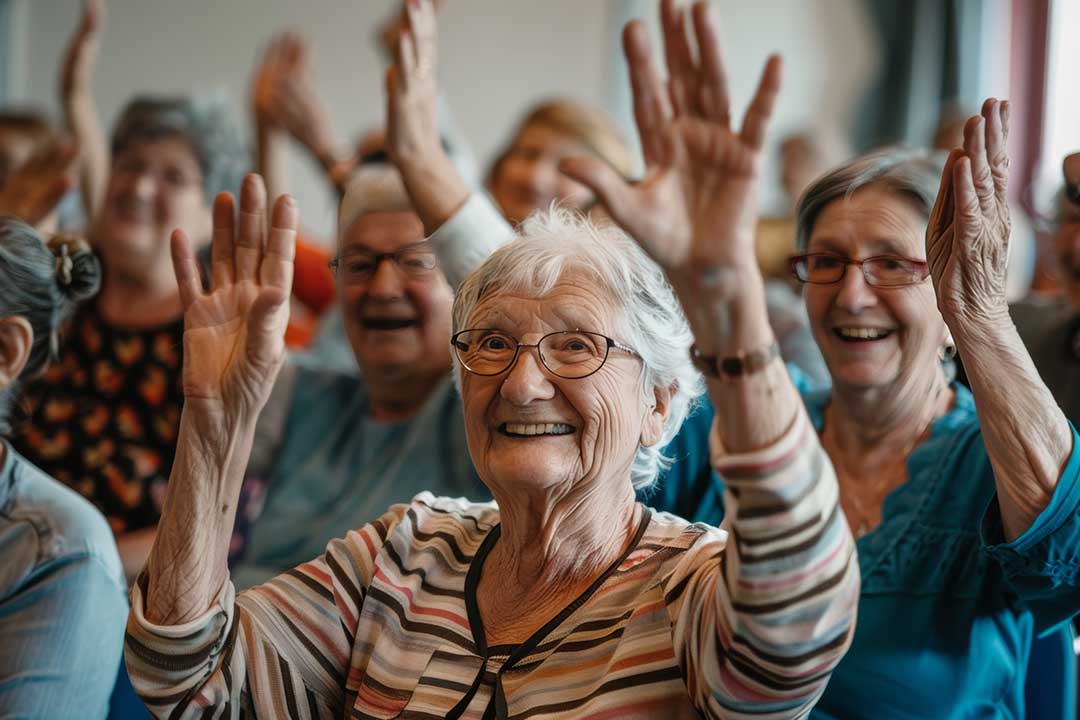
Residents are encouraged to participate in community outings as much as they’re comfortable, making the most of local culture and resources.
Are Family Involvement and Visitors Encouraged in Activities?
Family and friends are often welcome to join special events. Many communities host regular socials, holiday celebrations, or themed parties where loved ones can participate.
Benefits of family involvement:
- Strengthens social fulfillment for residents
- Encourages participation, especially for those who are more reserved
- Provides opportunities for intergenerational activities, supporting connection across ages
Specific guidelines on visitation and participation may vary, particularly around health and safety, but inclusive gatherings are a frequent highlight for residents and relatives.
What Myths Exist About Recreation in Assisted Living?
It’s a common misconception that activities are limited to passive or solitary options such as watching television. In reality, most communities strive to nurture social engagement, movement, and personal interests.
Other myths include:
- “Activities are only suitable for very active residents.” Programs are intentionally constructed to offer tiered involvement, from gentle stretching to just listening to music.
- “There isn’t anything new or challenging.” Many communities introduce changing themes, guest presenters, or resident-taught hobby classes.
- “Participation is mandatory.” In practice, residents can choose what they join, and are encouraged but never forced.
The variety and adaptability of offerings mean residents generally have more choice and stimulation than many expect.
How Can Residents Share Their Preferences or Suggest New Activities?
Residents can typically share suggestions at community meetings, through written feedback, or in conversation with activity coordinators. Most places have a formal or informal system to review and implement new ideas, leading to more personalized schedules.
Examples of how suggestions help:
- Requests for different craft projects or nostalgic activities from decades past
- Introduction of small book clubs or resident-taught hobby sessions
- Adjustments in the timing of activities to better fit energy levels or daily rhythms
Ongoing resident input helps maintain an active and meaningful lifestyle.
