
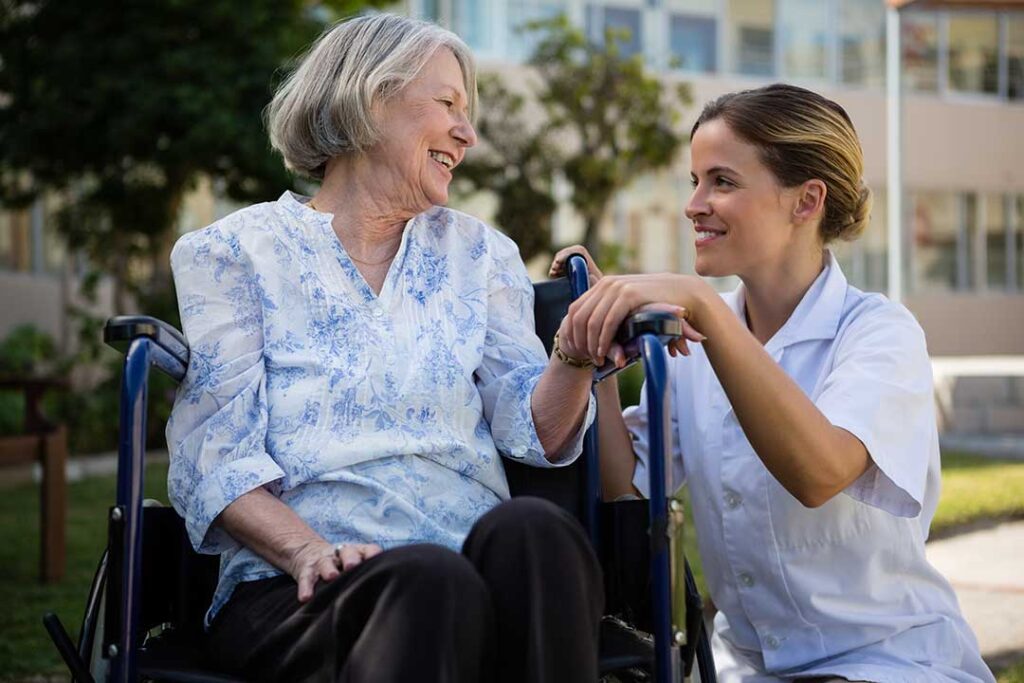
How Do Assisted Living Staff Help Residents Day-to-Day?
Assisted living staff play a vital role in the lives of residents by offering practical help, emotional support, and assistance with daily activities. Staff are trained to balance independence and support so residents can enjoy life with confidence.
In Lancaster, PA, most assisted living facilities are structured to provide help where it’s needed most, whether that means medication reminders, mobility assistance, or simply being available to listen. Staff presence is especially reassuring during the unpredictable seasons common in this area—icy winters or heat waves—when extra help may be necessary for daily routines and safety.
What Types of Support Do Residents Receive?
Staff in these communities offer a spectrum of assistance, matched to each person’s needs. Their support includes basic personal care, help with household chores, medical reminders, and meaningful interactions.
Examples of everyday assistance:
- Helping with bathing, dressing, and grooming
- Reminders to take prescribed medications at the right times
- Escorting residents to dining areas or community events safely
- Doing laundry or changing linens regularly
- Assisting with mobility, especially for those using walkers or wheelchairs
Lancaster residents might also notice that staff adapt their routines according to seasonal challenges—like helping with extra layers in winter or ensuring hydration in summer.
Who Works in Assisted Living and What Are Their Roles?
Residents often see several types of staff daily, each with distinct responsibilities. Care aides, medication technicians, licensed nurses, dining and housekeeping staff, and activity coordinators all contribute to daily comfort and wellness.
- Personal care aides assist directly with daily living tasks and are frequently the primary contact for residents.
- Medication aides/technicians manage medication distribution under supervision.
- Licensed nurses oversee health concerns and handle care plans for those needing more frequent medical attention.
- Dining and housekeeping teams ensure clean, safe, and pleasant shared spaces.
- Activity staff plan and lead group and individual programs, helping residents stay engaged and connected.
Teamwork is central—staff coordinate to ensure no need goes unnoticed, especially during special events or emergencies typical in Lancaster’s climate.
How Do Staff Support Emotional Wellbeing?
Emotional support is as significant as physical assistance. Staff often become trusted confidants and companions for residents, recognizing signs of loneliness, anxiety, or frustration and responding compassionately.
Practical strategies staff frequently use include:
- Checking in with residents each morning or evening to offer conversation
- Noticing changes in mood and reporting concerns to supervisors or nurses
- Organizing social events, trivia nights, and seasonal celebrations to strengthen bonds
- Supporting residents during life transitions, such as moving in or after family changes
Such approaches are especially meaningful for those adjusting to new routines away from longtime Lancaster homes or community circles.
Can Staff Help with Transportation or Local Outings?
While not all staff are responsible for transportation, most assisted living communities provide help getting to doctor appointments, religious services, or social activities. Support varies based on staffing, facility rules, and individual mobility levels.
Typical help includes:
- Scheduling local ride services or group van trips for appointments
- Arranging accompanied outings, especially in challenging weather
- Helping residents plan trips to parks and seasonal events or setting up video calls if travel isn’t possible

Staff are familiar with local roads, common destinations, and the importance of safety protocols during icy winters or summer conditions.
How Do Staff Ensure Safety and Respond to Emergencies?
Staff are trained to recognize and respond to various risks, from falls and medical episodes to severe weather. Many buildings have enhanced safety measures in place due to local regulations and seasonal risks unique to Lancaster.
Safety practices include:
- Conducting frequent emergency drills and maintaining clear evacuation routes
- Monitoring building entrances and visitor check-ins to protect residents
- Performing routine safety checks (like ensuring heat or AC is working properly)
- Quickly coordinating with healthcare professionals in a medical emergency
Common misconceptions among new residents include assuming staff will be present in individual rooms at all times. In reality, while support is always available, staff check in regularly but also promote privacy and independence whenever possible.
What Are Common Misunderstandings About Staff Roles?
Residents sometimes believe that assisted living staff provide nursing home–level care or are a substitute for family involvement. Most facilities in the city are designed for those who need help with daily living, not 24/7 medical care. Family involvement and personal routines remain encouraged and valued.
Other misunderstandings:
- Staff are not allowed to manage finances or handle legal documents
- Residents are encouraged, not required, to join in activities—independence is respected
- Support is personalized; it’s common for help to increase or decrease over time as needs change
How Does the Community of Lancaster Influence Staff Support?
Assisted living in Lancaster often reflects community values: mutual respect, neighborliness, and local traditions. Seasonal activities reflect local tastes, and staff often have longstanding ties to the area, creating a sense of familiarity for residents. This connection can foster trust, especially for those new to group living or moving from neighboring homes.
By supporting both practical and emotional needs, staff offer residents in Lancaster peace of mind, helping them enjoy each day within a familiar and cared-for environment.
